
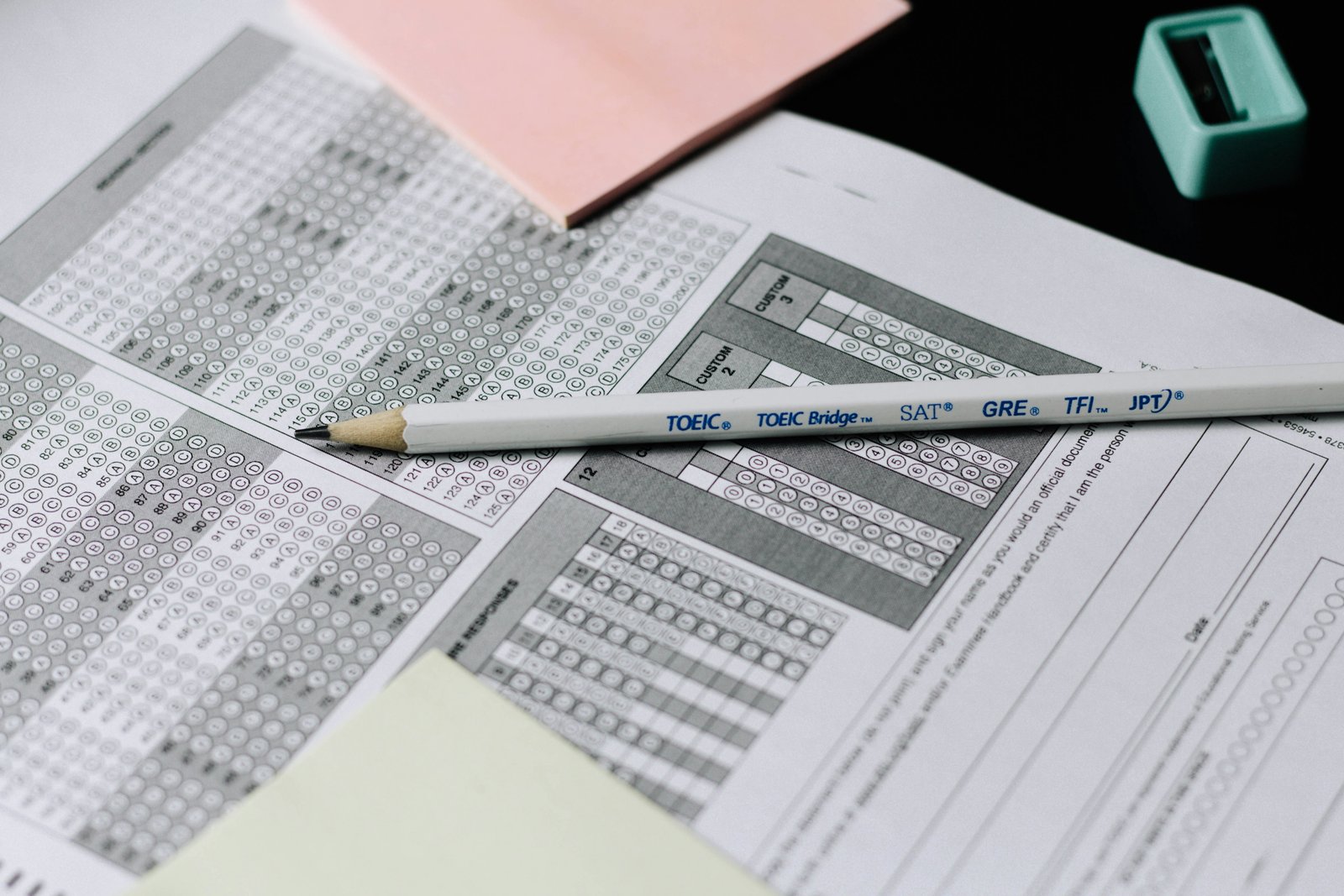
Understanding Exam Stress
Exam stress is a common experience among students, characterized by feelings of anxiety and pressure related to academic assessments. It can manifest in various ways, both mentally and physically. Recognizing the nature of exam stress is crucial for effectively managing it and ensuring optimal performance. Symptoms may include difficulty concentrating, fatigue, irritability, and sleep disturbances, which can further exacerbate stress levels. Acknowledging these signs is essential for students to take proactive steps in addressing their mental health.
The causes of exam stress often stem from a combination of academic pressures, personal expectations, and societal influences. Students may feel overwhelmed by the demands of their coursework, deadlines, or the desire to achieve high grades. Additionally, factors such as fear of failure, comparisons with peers, or insufficient preparation can contribute significantly to heightened stress levels. Understanding these triggers is important for fostering a supportive environment that promotes positive coping strategies.
From a psychological perspective, stress responses are a natural part of human experience. The body’s reaction to perceived threats includes physiological changes, such as increased heart rate and heightened alertness, which prepare individuals to respond to challenging situations. However, while a certain level of stress can be motivating, excessive anxiety may hinder performance and lead to detrimental outcomes. It is essential to differentiate between manageable stress and debilitating anxiety, as the latter can impede a student’s ability to engage in effective study practices and perform well during exams.
Addressing exam stress involves understanding its effects on mental and physical well-being. Students who fail to recognize and manage their stress may face longer-lasting consequences, including diminished academic performance and negative impacts on emotional health. By acknowledging the presence of stress and its underlying causes, students can begin to implement constructive strategies to cope with and ultimately reduce exam-related anxiety.
Effective Study Techniques
When it comes to minimizing exam stress, employing effective study techniques is crucial for students. One pivotal strategy is time management, which involves allocating specific time slots for studying, thereby reducing the last-minute cramming often associated with anxiety. A well-structured study schedule can help students plan their preparation effectively, ensuring that all subjects receive appropriate attention. By setting aside distinct periods for studying different topics, students can also enhance their retention of information while avoiding feelings of being overwhelmed.
Active learning strategies are equally important as they encourage students to engage with the material rather than passively reading through notes. Techniques such as summarizing information in one’s own words, teaching concepts to peers, or crafting mind maps can significantly bolster understanding. Moreover, integrating practice tests into the study regimen allows students to familiarize themselves with exam formats and identifies areas that may require additional focus. Utilizing tools like flashcards and educational apps can also aid in reinforcing key concepts and enhancing recall during assessments.
Taking regular breaks while studying is another effective technique that aids in managing stress. Research indicates that short breaks can improve concentration and overall cognitive performance. For every hour of study, a 5 to 10-minute break can rejuvenate focus and prevent burnout. Students should consider using timers or the Pomodoro Technique, where they study intensively for 25 minutes, followed by a short rest, and repeat the cycle. This approach not only aids in maintaining productivity but also fosters mental well-being.
By incorporating these effective study techniques—time management, active learning strategies, and taking deliberate breaks—students can create a conducive environment for exam preparation, thus alleviating the stress often associated with academic assessments. Utilizing various tools and resources can further enhance these techniques, empowering students to approach their examinations with confidence.
Mindfulness and Stress-Reduction Strategies
Mindfulness practices have garnered significant attention as effective strategies for managing stress, particularly during exam periods. By cultivating a state of awareness and presence, students can enhance their ability to cope with the pressures associated with academic evaluations. One highly recommended approach is meditation, which involves dedicating a specific time to focus on one's breath and thoughts. This practice can be particularly beneficial, as it helps in reducing anxiety levels and increases concentration, thereby positively impacting exam performance.
Breathing exercises are another effective means of reducing stress. Techniques such as deep breathing or the 4-7-8 method—where one inhales for four seconds, holds for seven seconds, and exhales for eight seconds—can help calm the mind and relax the body. Incorporating these exercises into a daily routine can serve as a quick and powerful tool for alleviating overwhelming feelings before and during exams. Even spending a few minutes each day practicing mindful breathing can create significant mental benefits.
Visualization techniques, which involve imagining oneself successfully completing the exam, can also be valuable. This method not only reinforces positive thinking but also diminishes fear and anxiety associated with high-stakes evaluations. Students can set aside time before studying to visualize a calming environment, such as a beach or a quiet forest, allowing their minds to escape from the exam stress they may be experiencing.
To effectively integrate these stress-reduction strategies into daily life, students should consider setting aside specific times for mindfulness practices, such as morning or evening. Additionally, short breaks during study sessions dedicated to mindfulness can refresh the mind and help maintain focus. By adopting these strategies, students can cultivate a healthier mindset, improve their overall well-being, and enhance their performance during exam periods.
Building a Support System
In times of exam stress, establishing a robust support system can play a pivotal role in helping students navigate their academic challenges. Engaging with friends, family members, and educational professionals is essential, as they can provide not only emotional support but also practical assistance. A network of support can help alleviate feelings of isolation that often accompany the pressure of impending exams. Students should feel empowered to reach out to those around them, whether through casual conversations or more structured discussions about their concerns.
Moreover, peer support groups can serve as valuable resources. These groups create an environment where students can share their experiences, discuss study techniques, and offer moral support. The camaraderie that develops in such settings can significantly diminish stress levels by fostering a sense of community. Students are often more receptive to advice from peers who understand the specific challenges of exam preparation as they have faced similar situations themselves. Initiating or joining a study group can enhance motivation and provide accountability, helping individuals to stay on track with their studies while also offering mutual encouragement.
Effectively communicating stressors to others is a skill that can be honed over time. Students should practice expressing their concerns and pressures in a clear and constructive manner. This not only facilitates understanding but also helps their support network to respond appropriately. Suggestions for effective communication include being specific about feelings, delineating the types of assistance needed, and remaining open to feedback. It is equally crucial to foster a reciprocal system of support; not only should students lean on their networks, but they should also provide support to fellow classmates who may be facing similar trials. Cultivating an atmosphere of mutual aid can greatly enhance the collective resilience against exam stress, leading to improved outcomes for everyone involved.
Comments (0)
Leave a Comment