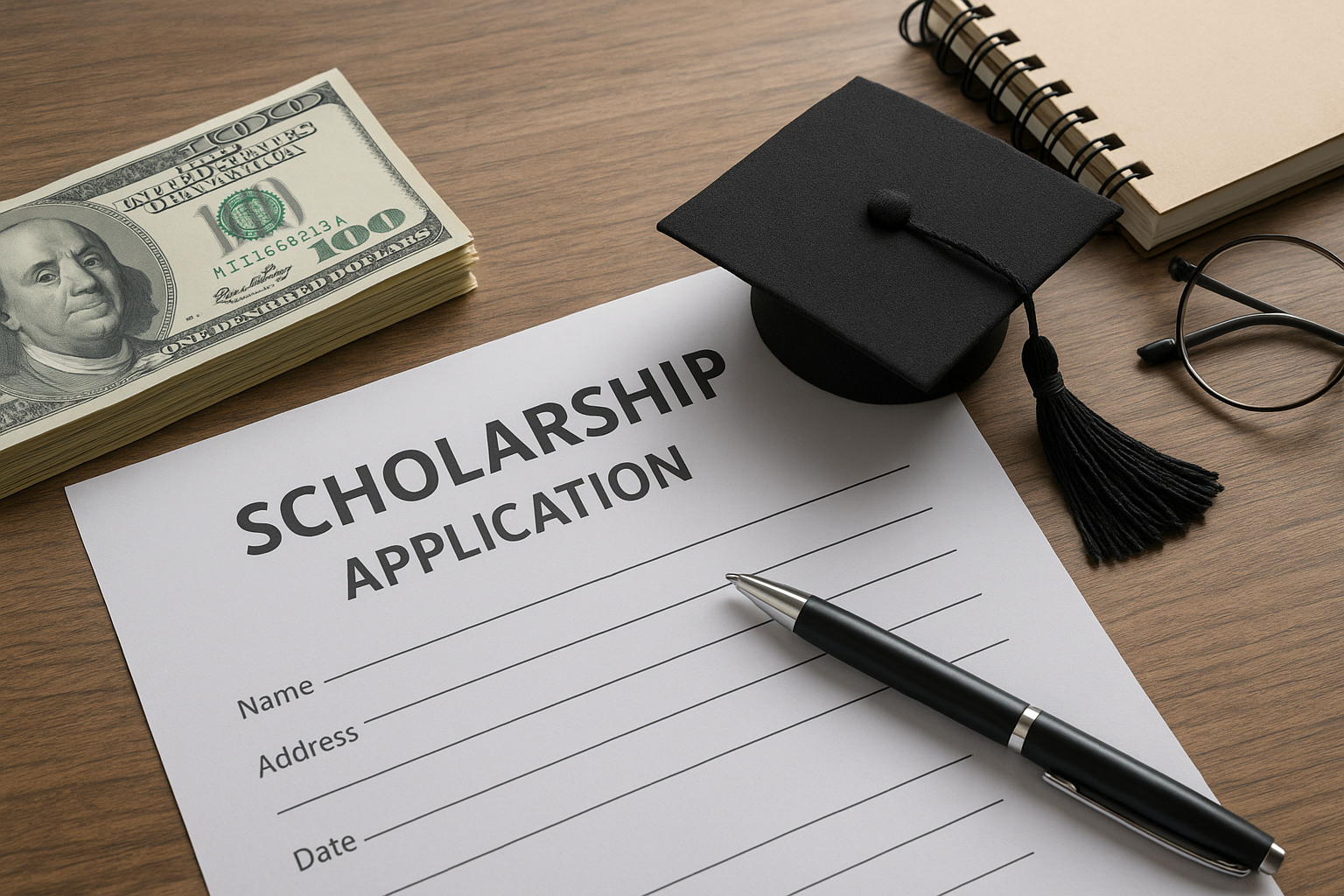
Here is a detailed guide on how to apply for government scholarships and bursaries in Nigeria as you step into 2026.
Understanding Government Scholarships and Bursaries in Nigeria
Government scholarships and bursaries in Nigeria serve as crucial financial aids designed to support students in their quest for higher education. These initiatives aim to promote educational advancement, reduce financial barriers, and foster a more educated workforce in the country. Government sponsorships typically cover tuition fees, accommodation, and sometimes provide allowances for books and other essential school supplies, making them a significant contributor to academic success.
The primary distinction between scholarships and bursaries lies in their eligibility requirements and the criteria established by granting bodies. Scholarships are often awarded based on academic merit, talent in specific fields, or exceptional achievements in extracurricular activities, while bursaries usually cater to students demonstrating financial need. In Nigeria, students may find various types of scholarships, including merit-based scholarships, need-based bursaries, and special scholarships targeting particular groups, such as women, the disabled, or those from underprivileged communities.
Eligibility criteria for government scholarships and bursaries can vary significantly depending on the specific program and the sponsoring agency. Typically, candidates are required to meet certain academic performance thresholds, maintain a minimum cumulative grade point average, and demonstrate commitment to their chosen field of study. In addition, some programs may prioritize applicants from specific geographical regions or those studying in critical areas recognized by the government.
The significance of government scholarships and bursaries in Nigeria cannot be overstated. They play a pivotal role in promoting equitable access to quality education, enabling deserving students to pursue their academic goals without the substantial burden of financial constraints. In turn, this contributes to the overall development of human capital, which is vital for the nation's growth and progress in various sectors.
Current Government Scholarships and Bursaries for 2025
As Nigeria continues to invest in education, various government scholarships and bursaries have been established to ease the financial burden on students. For the year 2025, several opportunities stand out, aiding students from diverse backgrounds. Below is a curated list of some prominent scholarships and bursaries, providing essential details for prospective applicants.

1. Federal Government Scholarship Scheme
This scholarship is administered by the Federal Ministry of Education and is aimed at providing financial aid to undergraduate students in recognized universities. Eligibility criteria include being a Nigerian citizen, demonstrating academic excellence, and fulfilling admission requirements. The application deadline is typically in May, and additional information can be found on the official ministry website.
2. Nigeria National Merit Scholarship
Sponsored by the federal government, this scholarship targets students in higher institutions to promote academic performance across the nation. Candidates must maintain a minimum GPA and submit an application which includes their academic transcripts. The deadline for this scholarship is usually in March, with further details accessible through the National Scholarships Board’s website.
3. State Government Bursary Awards
Various state governments, such as Lagos and Rivers State, offer bursaries to support local students. These awards typically cover tuition fees and related academic expenses. Eligibility often involves residency in the state and enrollment in a recognized institution. Students should check with their state's education board for specific deadlines, often set around April each year.
4. Niger Delta Development Commission (NDDC) Scholarship
Focusing on the development of the Niger Delta region, the NDDC provides scholarships for students from the area pursuing higher education. Eligible candidates must demonstrate community involvement and educational merit. The application period usually opens in June. Interested students can find application details on the NDDC’s official website.
These scholarships and bursaries represent a fraction of the support available for students in Nigeria. Careful consideration of eligibility and application deadlines ensures that prospective applicants can optimize their chances of securing financial aid for their studies.
Step-by-Step Guide to Applying for Government Scholarships and Bursaries
Embarking on the journey to secure a government scholarship or bursary in Nigeria requires careful planning and organization. Below is a comprehensive, step-by-step guide to assist applicants in navigating this process effectively.
Firstly, it is crucial to conduct thorough research on the various scholarships and bursaries available. Begin by identifying government-sponsored programs that align with your educational goals and eligibility criteria. Resources such as official government websites and educational institutions can provide valuable information on scholarship types, deadlines, and required qualifications. Make a list of potential opportunities to streamline your application process.
The next step involves gathering the necessary documents. Common requirements typically include academic transcripts, letters of recommendation, proof of citizenship, and a valid identification document. Pay close attention to specific documents requested for each scholarship application, ensuring that all paperwork is current and correctly formatted. Incomplete or improperly submitted documents can result in disqualification from consideration.
Once your documents are in order, focus on crafting a compelling personal statement. This narrative should outline your academic journey, career aspirations, and the impact the scholarship will have on your future. Be sure to convey your passion and the reasons for choosing the specific field of study. Tailor your statement to reflect how the scholarship aligns with the objectives and values of the sponsoring body.
When completing application forms, adhere to all guidelines and double-check for accuracy. Take your time to provide well-articulated responses, ensuring clarity and relevance. Finally, prepare for any potential interviews or assessments. Research common interview questions and practice articulating your goals and achievements confidently. Engaging in mock interviews can also bolster your readiness. By following this structured approach, you can enhance your chances of securing the funding necessary to pursue your educational ambitions.
Conclusion
Applicants should be aware that funding varies widely depending on the scholarship program. Most government scholarships aim to ease financial burdens, often covering tuition and additional costs. Furthermore, many scholarship programs offer renewal, contingent on maintaining satisfactory academic performance.
Prospective applicants should proactively seek information, prepare thoroughly, and remain focused on their goals as they embark on this journey.
Comments (0)
Leave a Comment